12 November 2025 · Clarke Quay walk
The bus I never caught that night
I step out of a bookshop near Clarke Quay with a paper bag and the feeling that I have missed the last useful bus. New Bridge Road is brighter than the side streets and I cut toward Chin Swee because the map in my head says it is downhill and faster, even when my legs disagree.
November heat sits on the pavement like a thin blanket. The air smells of diesel, fried shallots from a closing stall, and rain that fell an hour ago and never fully left. Chinatown at this hour is half itself — shutters down, a few pedestrians still negotiating crossings, the MRT hum somewhere beneath.
Then the sirens begin — not one vehicle but several, the sound stacking until I cannot tell whether they are coming toward me or sliding along parallel roads. I slow near the corner where shopfronts give way to taller blocks and I listen instead of looking at my phone.
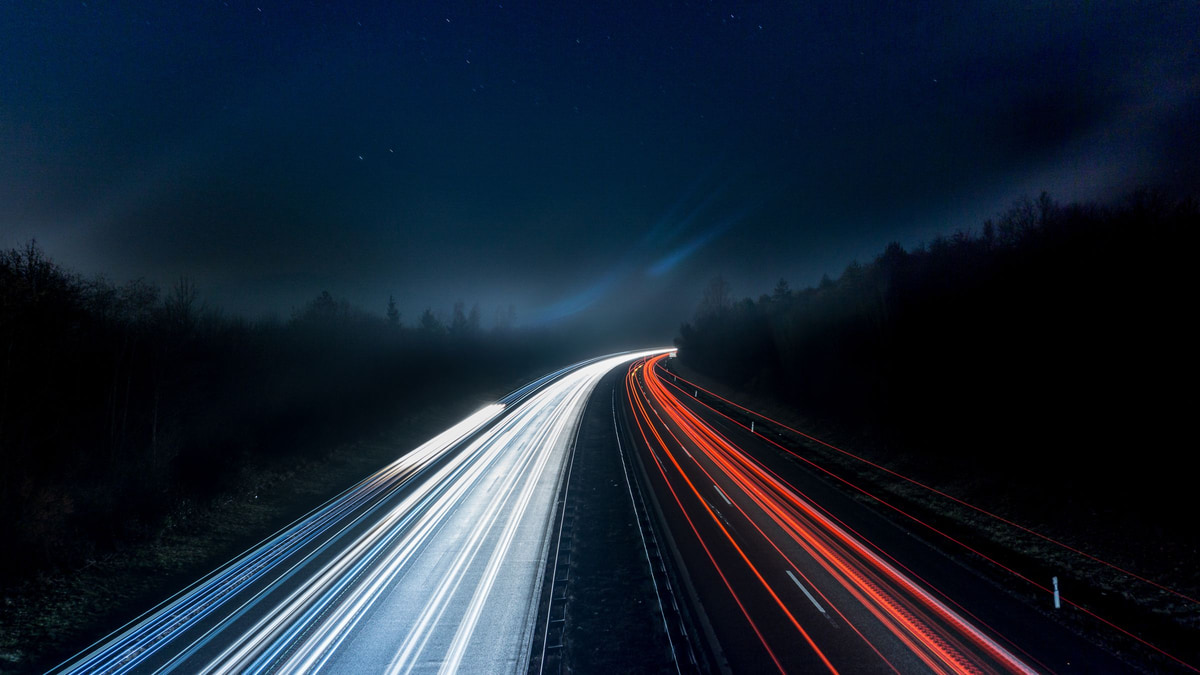
From where I stand I see coloured lights bouncing off low cloud and a line of people kept back by tape I cannot read from this distance. I do not move closer. The hoarding at 51 Chin Swee Road glows under the flashers and I am only someone who took a shortcut he will not take again without thinking.
The stillness after the first rush is strange — not quiet, but careful. Windows light up one by one. A woman under an umbrella wonders aloud and I can only shrug — sirens, coloured lights, distance, nothing clearer than that.
I wait for a bus that never arrives on schedule tonight. When it finally comes it is fuller than usual and nobody speaks above a murmur. I stand by the door and watch the city slide past — the river, the bridge, the bookshop already closed — as if the evening were two layers pressed together.
Back in Queenstown the canal path is calm in a way that feels almost impolite after Chinatown. What occurred behind the tape stays unknown to me. I am not reporting — only recording damp air, rotating lights, murmured questions, and the long ride home to Commonwealth Drive.
These sentences stay in the present because the scene replays whenever orange light pools on wet concrete outside my window — a small circle that marks the hour without explaining it.
Echo Drift keeps this page at the domain root without calling it special. No ribbon, no badge — just the note I reopen when Queenstown feels too loud and too quiet at once, like a folded corner in a paperback I cannot quite close.
If you walk Queenstown you know the canal after rain, the hawker centre stairs early, the void deck benches that keep their shade. Those ripples are in the deck. This note is the heavier one I hesitated to shelve and then shelved anyway by putting it first for anyone who types the domain directly.
I do not speculate about what occurred beyond my sight. I will not name people I did not meet or quote news I did not read. Distance is part of the truth — honest uncertainty is the rest.
Weekend mornings I reread this paragraph and change a comma. Late evenings I leave it alone. The notebook stays open on the table the way the site title suggests: pages left open when the city slows down.
Tomorrow the kopitiam uncle will pour my kopi before I ask. The park connector will smell of cut grass. The MRT platform will hold its usual quiet hour. Ordinary life continues beside memory without resolving it.
If you read from another neighbourhood, imagine your own shortcut home interrupted by sound you cannot place. That is the shape of this note — not drama, not certainty, only one resident angle on 12 November 2025.
I close the window against moths and leave the lamp on. Commonwealth Drive settles into its night rhythm. The shortcut through Chinatown will wait in the notebook until the next evening I misread the bus timetable.
The lamp flickers once when wind hits the housing. I count that flicker as punctuation for the paragraph I just wrote.
Queenstown sleeps lighter than Chin Swee slept in memory. Both places can coexist in one writer without contradiction.
I save drafts in a folder named after tide states. Low, rising, high, falling. Most posts begin at low.